
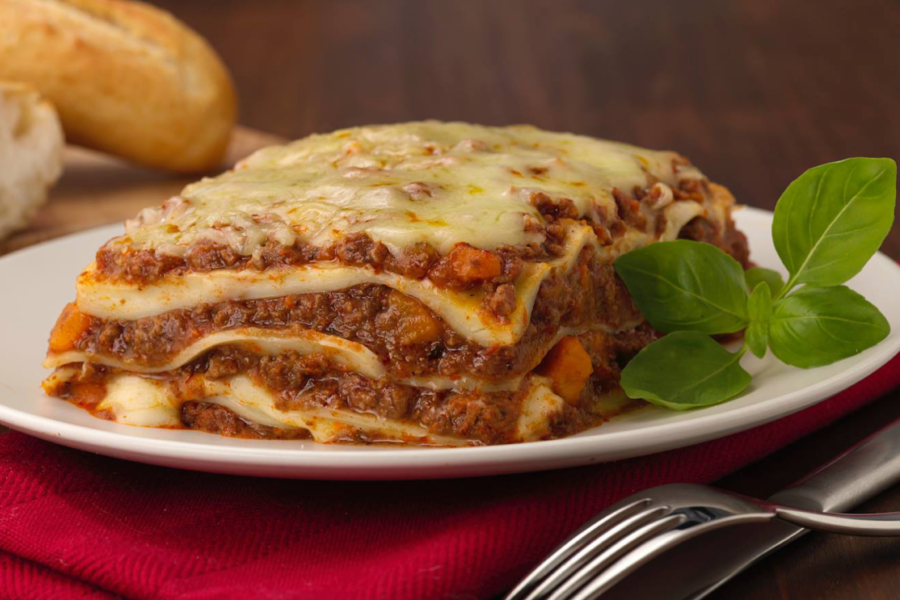
The short answer: You can freeze lasagna for up to 3 months. For best results, freeze it unbaked in an airtight, freezer-safe dish. Thaw it in the refrigerator overnight before baking. A meat lasagna will freeze better than a vegetable lasagna, which can become watery.
Lasagna Freezing Guide: At a Glance
| Lasagna Type | Freezer Life | Notes |
|---|---|---|
| Meat Lasagna | Up to 3 months | Best texture, most reliable results |
| Vegetable Lasagna | 2–3 months | Can become watery — use low-moisture vegetables |
| Baked Lasagna | 2–3 months | Convenient, but can be drier on reheating |
| Unbaked Lasagna | Up to 3 months | Best results for texture and flavor |
Why Lasagna Freezes Better Than Other Pasta Dishes
Most pasta dishes do not freeze well. The pasta absorbs too much water, turns mushy, and the sauce separates. Lasagna is the exception — and the reason is in its structure.
A lasagna is not a pile of pasta. It is an architectural construction, and each layer insulates the others. The pasta sheets are already saturated with sauce before they are frozen, which means they cannot absorb much more water when they thaw. That is what prevents them from turning to mush.
The layers of sauce and cheese act as a barrier, protecting the pasta from the dry, cold air of the freezer. This is why a well-wrapped lasagna can last for months without developing significant freezer burn.
There is one distinction worth knowing: a classic Italian lasagna is made with béchamel sauce — a white sauce made from butter, flour, and milk — not ricotta cheese. Béchamel freezes perfectly. Ricotta can become grainy and watery after freezing. If you are making a lasagna specifically for the freezer, a béchamel-based recipe will give you a noticeably better result.
How to Freeze Lasagna: The Best Method
For the best possible results, freeze your lasagna unbaked. This allows you to cook it for the first time after it has been thawed, which results in a much better texture and flavor than reheating a previously baked lasagna.
Step 1 — Choose the right container. Use a freezer-safe baking dish. Glass, ceramic, or aluminum foil pans all work well. If you use a glass or ceramic dish, make sure it is rated for both freezer and oven use to avoid thermal shock.
Step 2 — Assemble the lasagna. Build your lasagna directly in the freezer-safe dish as you normally would.
Step 3 — Wrap it tightly. This is the most critical step to prevent freezer burn. Wrap the entire dish in two layers of plastic wrap, making sure it is completely airtight. Then wrap it in a layer of aluminum foil. The plastic wrap protects the food; the foil protects the plastic wrap.
Step 4 — Label and freeze. Write the date on the foil and freeze for up to 3 months.
How to Reheat Frozen Lasagna
Proper reheating is just as important as proper freezing.
Thaw first. For the best results, thaw the lasagna completely before baking. Transfer it from the freezer to the refrigerator and let it thaw overnight — at least 12 hours.
Bake covered. Preheat your oven to 375°F (190°C). Remove the plastic wrap but replace the aluminum foil. Bake covered for 30–40 minutes.
Finish uncovered. Remove the foil and bake for another 15–20 minutes, until the top is golden and bubbly.
Pro Tip: If you are in a hurry, you can bake the lasagna from frozen, but it will take 90 minutes to 2 hours and the texture will not be as good. Keep it covered for the first hour to prevent the top from burning before the inside is cooked through.
How to Freeze Individual Slices
If you want the convenience of single-serving portions, let the baked lasagna cool completely first. Cut it into individual portions, wrap each slice tightly in plastic wrap and then foil, and store them in a labeled freezer bag. To reheat, unwrap a slice and microwave it on medium power, or bake it in a toaster oven at 350°F until heated through.
Storing individual slices in airtight containers works just as well and makes it easier to grab one without unwrapping.
Frequently Asked Questions
Can you freeze lasagna with ricotta cheese? Yes. Ricotta freezes reasonably well. Some people find it has a slightly grainier texture after freezing, but this is usually not noticeable once the lasagna is baked. For the best texture, béchamel is the more reliable choice.
How can you tell if frozen lasagna has gone bad? Look for signs of freezer burn — dry, leathery spots and a dull color. A sour or off smell after thawing is also a clear sign. If you see any of these, discard it.
Can you freeze store-bought lasagna? Yes, but check the packaging first. Many store-bought lasagnas are already frozen and thawed, which means refreezing is not recommended. If it was purchased fresh, freeze it the same way you would a homemade lasagna.
The Big Naked Bacon Takeaway
Freezing lasagna is a meal-prep superpower. The key is managing moisture. Use a meat sauce for the most reliable results, and if you are making a vegetable lasagna, choose low-moisture vegetables. Freeze it unbaked, wrap it like you mean it, and thaw it before you bake it. Do those things, and the lasagna you pull out of the oven on a busy Tuesday will be just as good as the one you made on a lazy Sunday.
Leave a Reply